
The entertainment industry has changed significantly as businesses increasingly recognize the importance of customer experiences. Modern customers are not simply looking for places to spend their free time. They want enjoyable environments, professional services, comfortable facilities, and memorable interactions. Whether visiting a restaurant, attending a live performance, or exploring a nightlife destination, the overall experience often determines how customers evaluate a business.
In competitive entertainment markets, customer satisfaction plays an important role in building a positive reputation and attracting repeat visitors. Cities such as Seoul, South Korea, demonstrate how entertainment businesses continue to adapt to changing expectations. Neighborhoods like Gangnam have become popular for their diverse nightlife options, modern venues, and hospitality-focused services.
The Growing Importance of Customer Experience
Customer experience refers to the overall impression people develop through their interactions with a business. It includes everything from discovering a venue online to making a reservation, receiving assistance, and enjoying the available services.
In the entertainment industry, these interactions can strongly influence customer decisions. A venue may have attractive interiors and modern facilities, but poor communication or inconsistent service can negatively affect the overall experience.
Businesses that understand customer expectations are better positioned to improve their services. They focus on creating welcoming environments, providing useful information, and ensuring that visitors feel comfortable throughout their experience.
This customer-focused approach has become increasingly important as people have more entertainment choices than ever before.
How Hospitality Influences Entertainment Choices
Hospitality is one of the most important elements of a successful entertainment business. Customers generally appreciate friendly staff, respectful communication, and organized services.
A positive first impression can make visitors feel more confident about their decision. Simple details, such as helpful reservation assistance, clear directions, and attentive service, can contribute significantly to customer satisfaction.
Professional hospitality also involves understanding different customer preferences. Some visitors may appreciate a lively atmosphere, while others prefer quiet environments and personalized attention.
Entertainment establishments that recognize these differences can create experiences that appeal to a wider audience. Consistent hospitality standards also help businesses develop stronger relationships with their customers.
Gangnam’s Evolving Entertainment Environment
Gangnam is one of Seoul’s most recognizable districts, known for its modern lifestyle, fashionable shopping areas, restaurants, and vibrant nightlife. The neighborhood attracts local residents, international visitors, and business travelers looking for contemporary entertainment experiences.
Its diverse entertainment landscape includes stylish lounges, music venues, dining establishments, and specialized nightlife businesses.
A 강남호빠 is one example of a specialized entertainment venue associated with the district’s nightlife culture. Such establishments generally emphasize social interaction, hospitality, and personalized customer experiences.
For visitors considering these venues, understanding the available services, reservation arrangements, and pricing policies is important. Clear communication allows customers to make informed decisions and helps businesses establish trust.
Gangnam’s popularity demonstrates how different entertainment concepts can contribute to a neighborhood’s overall appeal.
The Role of Comfortable Environments
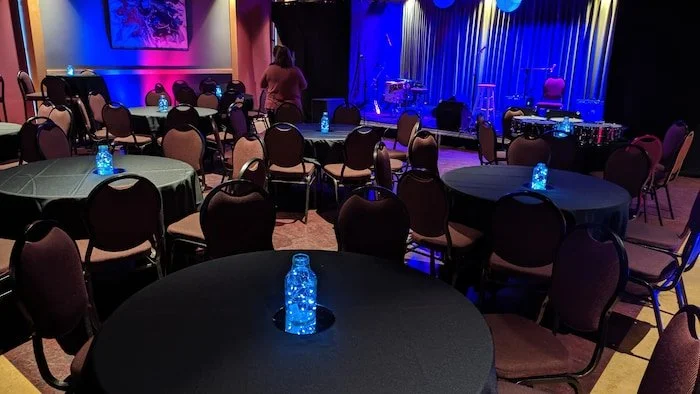
The physical environment of an entertainment venue has a direct influence on how customers feel during their visit. Interior design, lighting, furniture, cleanliness, and sound quality all contribute to the overall atmosphere.
Modern entertainment businesses often invest in attractive interiors to create distinctive experiences. Some prefer elegant decorations and relaxing lighting, while others focus on energetic designs that complement music and social activities.
Comfort should remain a priority regardless of the venue’s style. Visitors generally expect clean facilities, organized seating, and an environment suitable for their chosen activity.
A well-maintained venue can create a positive impression and encourage customers to spend more time enjoying its services.
Digital Platforms and Customer Expectations
Technology has transformed how customers discover entertainment businesses. Search engines, social media platforms, business directories, and review websites now play an important role in the decision-making process.
Before visiting a venue, many people search online for information about its location, services, operating hours, and customer feedback. An informative website can make this process easier by presenting accurate and accessible details.
Online reservations are another important development. Digital booking systems allow customers to organize their visits more conveniently and reduce unnecessary waiting.
Social media also provides businesses with opportunities to communicate with their audiences, share updates, and introduce their services.
Entertainment companies that maintain an effective digital presence can build credibility and make their businesses easier to discover.
Customer Reviews and Business Reputation
Customer feedback is one of the strongest influences on an entertainment business’s reputation. Positive reviews can encourage new visitors, while repeated complaints may cause potential customers to reconsider their choices.
Businesses should treat feedback as an opportunity to identify areas for improvement. Comments about staff communication, cleanliness, pricing, and service quality can reveal what customers value most.
Responding professionally to reviews also demonstrates that a business takes customer satisfaction seriously.
However, businesses should focus on delivering genuine improvements rather than simply collecting positive ratings. Consistent service quality is essential for maintaining a trustworthy reputation.
Personalization and Changing Customer Preferences
Modern customers increasingly appreciate entertainment experiences that reflect their individual interests. This has encouraged businesses to move beyond standard services and consider more personalized approaches.
Restaurants may offer flexible dining experiences, lounges may provide different seating arrangements, and entertainment venues may introduce services designed for particular audiences.
In specialized nightlife establishments, personalized hospitality can be especially important. A 강남호빠 may attract customers who value social interaction and an environment focused on attentive service.
Understanding customer preferences allows businesses to improve their offerings while maintaining professional standards.
Personalization should also be supported by clear communication so that customers understand what to expect before visiting.
Transparency Builds Customer Trust
Trust is an essential part of every successful customer relationship. Entertainment businesses can build trust by providing accurate information about their services, pricing, reservation requirements, and operating policies.
Unexpected charges or unclear service descriptions can create negative experiences. For this reason, transparency should be maintained throughout the customer journey.
Visitors should be able to understand available options and ask questions before making decisions.
This approach is particularly useful in competitive nightlife markets, where customers often compare multiple venues before selecting one.
Businesses that communicate openly are more likely to develop positive relationships and encourage repeat visits.
The Future of Customer-Focused Entertainment
The entertainment industry will continue to evolve as technology and customer expectations change. Digital reservations, mobile-friendly websites, improved communication systems, and personalized hospitality are likely to remain important developments.
Businesses may also place greater emphasis on customer comfort, responsible entertainment, and consistent service standards.
In destinations such as Seoul, these developments will continue to influence how nightlife establishments attract and retain visitors. Gangnam’s diverse entertainment environment provides an example of how businesses can adapt to modern customer preferences.
Companies that listen to their customers and continuously improve their services will be better prepared for future competition.
Conclusion
Customer experiences play a major role in shaping the modern entertainment industry. Professional hospitality, comfortable environments, transparent communication, and personalized services all contribute to customer satisfaction.
Seoul’s entertainment scene demonstrates the importance of adapting to changing expectations, with Gangnam offering diverse nightlife experiences, including specialized establishments such as a Gangnam Male Host Bar.
Ultimately, successful entertainment businesses understand that attracting visitors is only one part of the process. Creating positive experiences, building trust, and maintaining consistent service quality are what help establish long-term reputations in the competitive entertainment industry.